
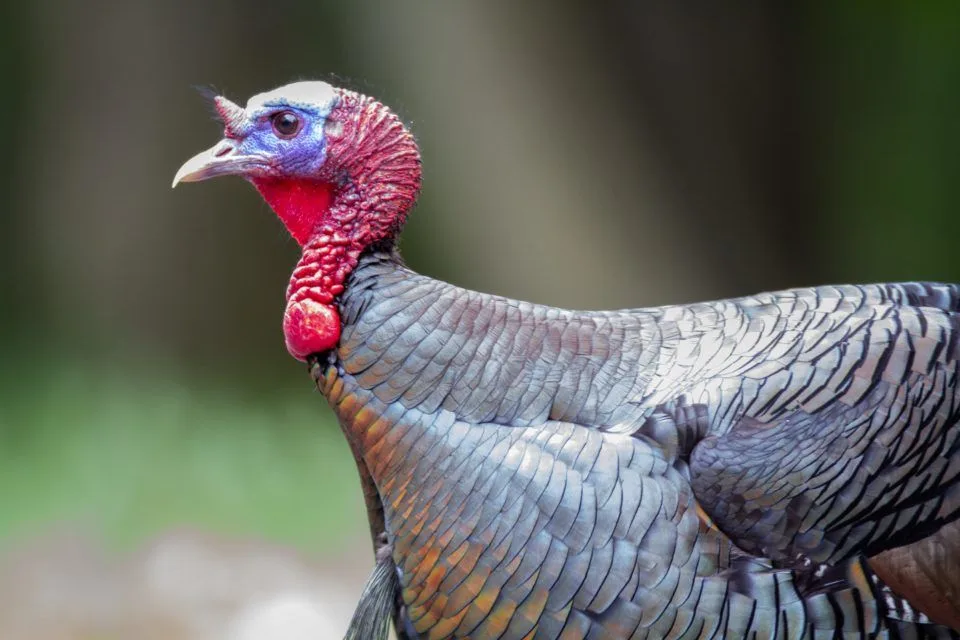

Thanksgiving is Nov. 26, and the biggest food-safety decision of the holiday gets made days earlier: how and when you thaw the turkey. Here is what the CDC and USDA guidance says, in the order you will need it.
Start With the Thaw
A frozen turkey is safe as long as it stays frozen. Trouble starts when the outside warms up while the middle is still icy. That is why neither agency allows counter thawing: the CDC says turkey left at room temperature for more than 2 hours is unsafe, even if the center is still frozen.
There are three accepted methods:
- Refrigerator: allow about 24 hours per 4 to 5 pounds. A 15-pound bird needs roughly three days. Keep it in its wrapper on a tray or in a container to catch drips. Once thawed, it can wait one to two days before cooking.
- Cold water: use a leakproof bag, submerge the turkey in cold tap water and change the water every 30 minutes. Allow about 30 minutes per pound, and cook right away.
- Microwave: follow your microwave’s directions, and cook immediately afterward.
For a 12- to 16-pound turkey, that means moving it into the fridge by Sunday, Nov. 22 at the latest, and earlier is better. The USDA’s chart, as reported by FOX 13, puts that size at three to four days in the refrigerator.
Cook to 165°F, and Use a Thermometer
Roast in an oven set to at least 325°F. The CDC says to check 165°F in three spots, avoiding bone: the thickest part of the breast, where the thigh meets the body, and where the wing meets the body. A pop-up timer is not a substitute for a food thermometer.
Skip washing the raw turkey. Rinsing spreads germs around the sink and counters. If you do rinse it, clean and sanitize everything nearby afterward.
Handle the Stuffing Separately
The safest option is to bake stuffing in its own casserole dish. If you do stuff the bird, add the stuffing just before cooking, make sure the stuffing itself reaches 165°F at the center, and let the turkey stand 20 minutes before removing it and carving. Do not stuff a bird the night before.
Watch the Clock on Leftovers
The “danger zone” is 40°F to 140°F, where bacteria multiply quickly. The rules for the end of the meal are simple:
- Refrigerate leftovers within 2 hours (within 1 hour if the room is above 90°F).
- Pack food into smaller, shallow containers so it cools faster. Cut large pieces of meat down. You do not need to wait for it to cool completely first.
- Eat cooked turkey within 3 to 4 days, or freeze it. Frozen leftovers are safe indefinitely, but the USDA says quality is best within two to six months.
- Reheat everything to 165°F before eating.
A practical tip: set a phone timer when dinner ends. Two hours disappears fast once the pie comes out.
Where to Get Help on the Day
The USDA Meat and Poultry Hotline (888-674-6854) has historically been staffed on Thanksgiving morning, and you can also use ask.usda.gov. Check the USDA site for this year’s hours.
This article is for general information, not medical advice.
More on Contoh
- Halloween Candy Without the Sugar Hangover: A Realistic Game Plan
- Flu Shot Season: What to Know Before the End of October