
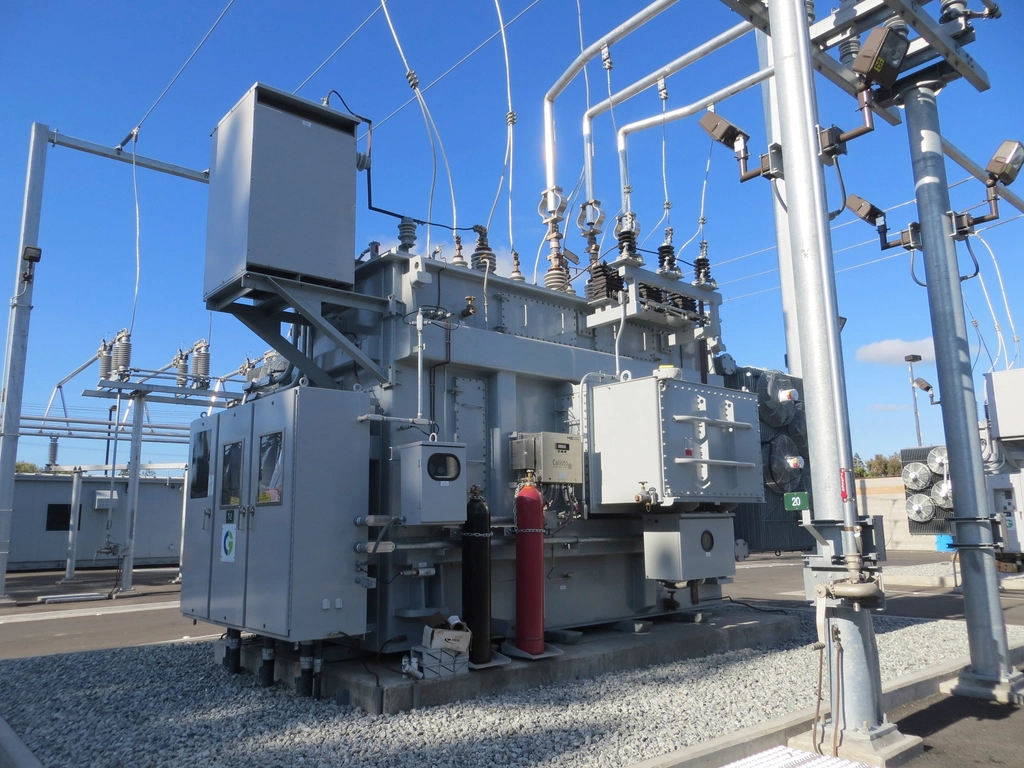

Big batteries have crossed an important line. A new analysis from energy consultancy Wood Mackenzie finds that four-hour battery storage is now cheaper than gas-fired “peaker” plants in every one of the 43 markets where it modeled both.
Peaker plants are the gas turbines utilities fire up when electricity demand spikes, such as on hot summer afternoons. They are also the kind of quick-to-build turbines that many AI data center developers have been rushing to buy.
The Key Numbers
- Four-hour batteries beat open-cycle gas turbines on cost in all 43 markets compared.
- Solar with single-axis trackers is the lowest-cost new power source in 43 of 48 markets modeled. Onshore wind leads in the other five.
- In the Middle East and Africa, four-hour storage costs about $120 per megawatt-hour in 2026 and is forecast to fall 33% to about $80 by 2035.
“This economic shift is decisive and widening,” said Ahmed Jameel Abdullah, a principal analyst at Wood Mackenzie, pointing to gas turbine shortages and fuel price swings on one side and cheaper battery manufacturing on the other.
What It Means in the US
The North American picture is more mixed. Wood Mackenzie says tariffs, anti-dumping duties and new Section 232 import restrictions are putting pressure on solar costs. Prices for residential and commercial solar modules are forecast to rise 6% in 2027 and 14% in 2028.
Battery storage, by contrast, is getting a boost from federal tax credits, which help offset supply chain limits and rules on components from “foreign entities of concern.” Meanwhile, growing demand from data centers is pushing the region toward a shortage of gas capacity through the late 2030s, keeping the cost of building new gas plants high. According to TechCrunch, gas turbines now take two to four years to procure.
Why It Matters
For utilities and data center builders, the finding strengthens the case for batteries, often paired with solar, as the go-to option for covering peak demand. For households, it is one more factor in how electricity bills evolve as AI drives up power use.
One caveat: these are modeled cost estimates, and Wood Mackenzie did not publish its full methodology in its announcement.
More on Contoh
- Fed Minutes Say the AI Building Boom Is Adding to Inflation
- Why AI Is Making Your Next Phone and Laptop Cost More: The Memory Chip Squeeze, Explained