

A convincing fake video can now be made in minutes. You won’t catch every one, but most fakes still slip up in small ways. Before you believe – or share – a suspicious clip, run through this checklist.
Check the face first
Almost all high-end deepfakes swap or alter the face, so that’s where to look.
- Skin. Is it too smooth, or oddly wrinkled? Does the skin look a different age from the hair and eyes?
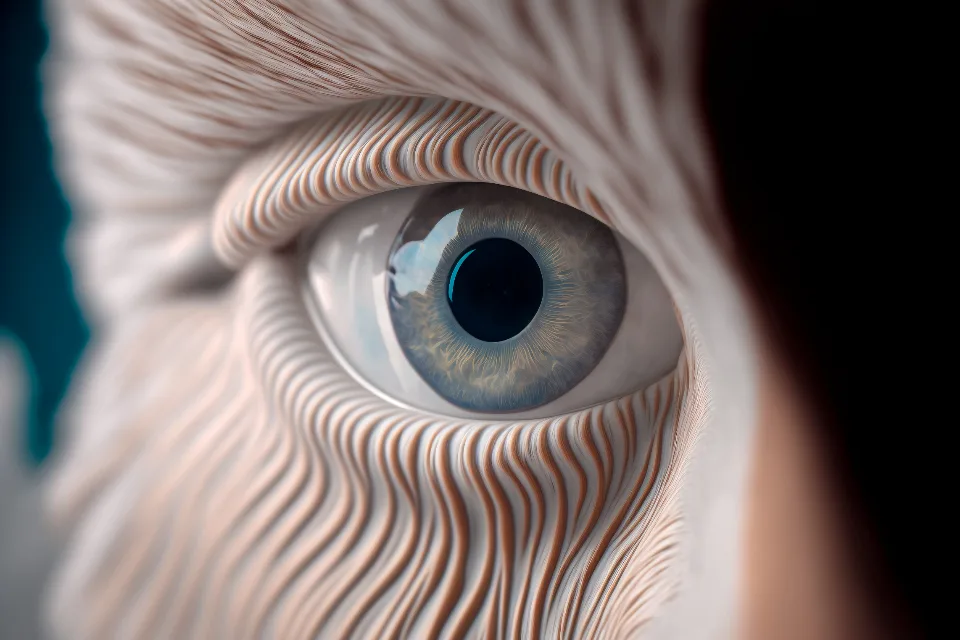
- Eyes and eyebrows. Do the shadows sit where you’d expect them, given the lighting in the room?
- Glasses. Does the glare on the lenses look real, and does it shift naturally when the head moves?
- Facial hair. Beards, mustaches and sideburns are hard to fake. Look for edges that blur or flicker.
- Moles and marks. Do they look real, and do they stay put?
- Blinking. Is the person blinking too much, too little, or in an odd rhythm?
- Lips. Does the mouth match the words exactly? Watch the sounds “b”, “m” and “p”, where the lips should close.
- Edges. Watch where the face meets the hair, ears and neck – especially when the head turns.
Then check the story
- Who posted it first? Look for the original source, not a repost.
- Is anyone reputable reporting it? If a public figure really said something shocking, news outlets will have it.
- Does it play on your emotions? Fakes are often designed to make you angry or afraid so you share before you think.
- Search for a still. Take a screenshot and run a reverse image search to see where it really came from.
Remember
No single clue proves a video is fake, and the best fakes may show none of them. Look for several small oddities together – and when in doubt, don’t share.
Researchers are also building automatic detectors. Read about one that uses light: A light-powered AI can screen deepfake videos with almost 98% accuracy.
More on Contoh
- A Light-Powered AI Can Screen Deepfake Videos With Almost 98% Accuracy
- Why AI Chatbots Make Things Up — and How to Catch Them When They Do
- Cybersecurity Awareness Month: Four Habits That Make You a Harder Target