

Inflation sped up again in September. Consumer prices were 3.7% higher than a year earlier, up from 3.4% in August, the Bureau of Labor Statistics (BLS) said Wednesday. Economists surveyed by FactSet had expected 3.6%, according to CBS MoneyWatch.
The main culprit is plain to anyone who has filled a tank lately: gasoline. But the report also shows where prices are calm, where your paycheck stands and why the Federal Reserve’s next meeting just got more interesting. Here is a plain-English guide.
The Headline Numbers
- Overall prices: up 0.6% in September alone and 3.7% over 12 months.
- Core prices (everything except food and energy, which economists watch to judge the underlying trend): up 0.3% for the month and 2.6% for the year, from 2.4% in August and above the 2.5% forecast.
- Energy: up 5.2% in a month and 20.4% in a year.
- Gasoline: up 9.1% in a month and 34.2% in a year. CBS reported that gas accounted for more than half of September’s overall increase.
The Fed aims for 2% inflation over time. At 3.7%, the overall rate is nearly double that.
Why Gas Is Driving Everything
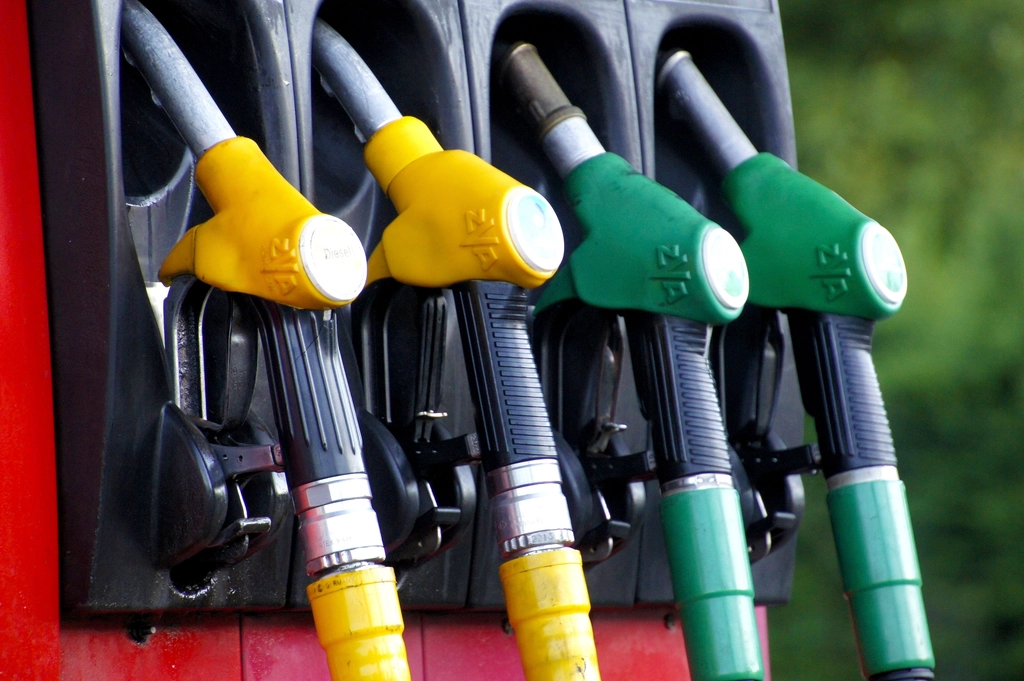
Energy prices have climbed since the start of the year, tied to the war involving Iran and Russia’s war with Ukraine, CBS reported. AAA put the national average for regular gas at $4.33 a gallon on Wednesday, compared with $2.98 before the Iran war began. Diesel averaged $6.29, a record high reached in late September.
Pump prices have eased slightly in recent weeks but remain high. And diesel matters even if you never buy it: trucks, trains and farm equipment run on it, so costlier diesel can work its way into the price of groceries and other goods over time.
“The CPI was clearly hot, and there aren’t many ways to sugarcoat it,” Adam Crisafulli of the research firm Vital Knowledge told CBS, adding that energy played a “huge role.” He warned energy prices may not fall soon if the conflicts escalate.
Where Prices Are Rising, and Where They Aren’t
Not everything is getting more expensive at the same speed. Here is how September’s 12-month changes break down for some everyday categories:
Running Hot
- Airline fares: up 22.4% from a year ago, and 1.2% in September alone. Jet fuel is an energy cost too. If you are flying for Thanksgiving or the winter holidays, it pays to book soon and compare nearby airports.
- Utility gas service: up 5.0% over the year, though it dipped 0.3% in September.
- Electricity: up 4.4%.
- Restaurant meals (food away from home): up 3.5%.
- Clothing: up 3.4%.
- Shelter (rent and the cost of owning a home): up 3.2%, with a 0.4% jump in September. Shelter is the biggest single piece of the index, which is why it helped push core inflation higher.
Cooler Than You Might Think
- Groceries (food at home): up just 1.8% over the year, and down 0.1% in September.
- Medical care: up 1.5%.
- New vehicles: up 0.6%.
- Used cars and trucks: down 1.5% from a year ago, although they rose 0.7% in September.
In other words, the pain is concentrated: households that drive a lot, fly often or heat with gas are feeling this inflation far more than the 3.7% average suggests. A family that mostly cooks at home and drives little may be seeing something closer to the calmer numbers.
Your Paycheck Is Losing Ground
A separate BLS report released the same day shows why so many people feel squeezed. After adjusting for inflation, average hourly earnings for all workers fell 0.5% from August to September and were 0.7% lower than a year earlier. Put simply, prices rose faster than pay.
That matches the mood in surveys. A CBS News poll earlier in October found that nine in 10 Americans say prices are the most important factor in how they view the economy, and consumer sentiment has been sliding toward record lows.
What It Means for Interest Rates
In September the Fed raised its benchmark rate for the first time since 2023, to a range of 3.75% to 4%, and officials signaled they expected another increase this year. The Fed meets twice more in 2026: Oct. 27–28 and Dec. 8–9.
Wednesday’s report raised the odds of a move this month. Markets now see about a 50% chance of an October hike, up from 20% before the release, according to Capital Economics. “This is the type of move that could prompt the Fed to pull the trigger on another hike this month,” Stephen Brown, the firm’s chief North America economist, told CBS. David Royal of Thrivent said the hiking cycle is unlikely to end soon.
Why that matters to you: the Fed’s rate feeds directly into credit card rates and many home equity lines, and it influences what banks pay on savings. Mortgage rates are set by the bond market rather than by the Fed directly, but they have already climbed to their highest level in nearly three years.
Social Security Gets a 3.6% Raise
Inflation data also set the annual cost-of-living adjustment. The Social Security Administration announced Wednesday that benefits and Supplemental Security Income payments for about 76 million Americans will rise 3.6% in 2027, up from 2.8% this year and slightly above the roughly 3.5% forecasters had expected.
People with a my Social Security account can see their personal new benefit amount online up to three weeks before the mailed notice arrives if they opt in to digital notices by Nov. 18, according to the agency.
What You Can Do Now
No single household can fix inflation, but a few moves can blunt its effect:
- Attack variable-rate debt first. Credit card rates tend to move up with the Fed. If another hike comes, carrying a balance gets more expensive. Paying down cards, or moving a balance to a lower fixed-rate option, protects you either way.
- Make your savings keep up. With inflation at 3.7%, money in a checking account or a low-yield savings account is quietly losing value. Compare online savings accounts, money market funds and certificates of deposit, and look at the rate after inflation, not just the headline number.
- Watch the new I bond rate. The Treasury resets Series I savings bond rates every May and November, partly based on recent inflation, so check the new rate when it is posted in early November before deciding whether to buy.
- Trim the energy bill where it is easy. Combine errands, check tire pressure, use a gas-price app and consider warehouse-club or grocery fuel discounts. Before the heating season, a programmable thermostat and sealing drafty windows can help with gas and electric bills.
- Book holiday flights early. With fares up more than 20% from last year, waiting rarely helps. Set fare alerts and stay flexible on dates.
- Lean on the categories that are calm. Groceries are rising far more slowly than restaurant meals, so a few more meals cooked at home can offset some of the extra you spend at the pump.
What to Watch Next
- Oct. 27–28: the Fed’s next meeting and rate decision.
- Nov. 10: the October inflation report from the BLS.
- Gas prices: the biggest swing factor. If pump prices keep easing, headline inflation could cool even if core prices stay sticky; if the conflicts escalate, the reverse is likely.
The short version: inflation is running hotter mainly because of energy, but core prices are creeping up too, and real wages are falling. That combination is why the Fed is in no hurry to stop raising rates.
More on Contoh
- Mortgage Rates Climb to 7.40%, the Highest in Nearly 3 Years
- Fed Minutes Say the AI Building Boom Is Adding to Inflation
- Consumer Sentiment Slides Toward a Record Low as Prices Bite. Here’s What the Numbers Mean