
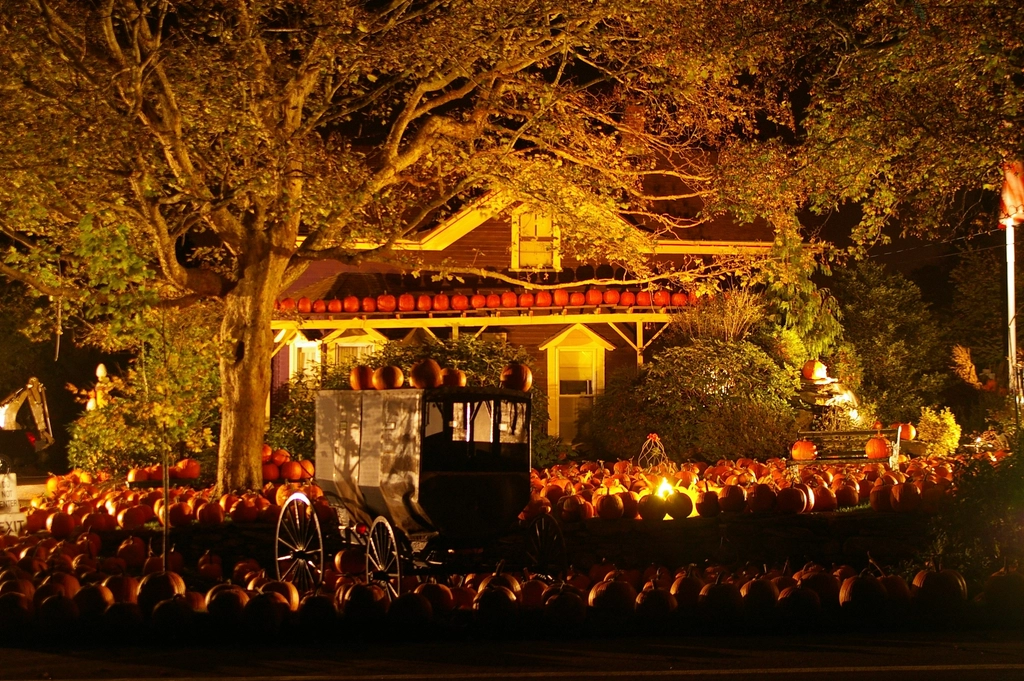

Halloween keeps getting bigger. Americans expect to spend a record $13.5 billion on the holiday this year, up from $13.1 billion in 2025, according to the National Retail Federation’s annual Halloween survey, conducted with Prosper Insights & Analytics.
The average shopper plans to spend $115.14, only slightly more than last year’s $114.45. That small change tells a story of its own: more people are celebrating, but individual budgets are holding roughly steady as shoppers look for ways to make their money go further.
“Consumers continue to make Halloween a spending priority, but they are also approaching the season with affordability in mind,” said Allison Zeller, NRF’s vice president of industry and consumer insights.
The headline numbers
- Total spending: $13.5 billion, a record.
- Per person: $115.14, up from $114.45.
- Celebrating: 74% of consumers, up from 73% last year and 68% in 2019.
- Shopping early: 49% started in September or earlier, up from 34% in 2016.
The survey polled 7,889 U.S. adults from Sept. 1 to 9, with a margin of error of plus or minus 1.1 percentage points.
Where the money goes
Costumes, decorations and candy each account for roughly a third of the total, with greeting cards a distant fourth:
- Costumes: $4.4 billion, with 71% of celebrants planning to buy them.
- Decorations: $4.3 billion (78% buying).
- Candy: $4.1 billion (96% buying).
- Greeting cards: $0.8 billion (42% buying).
Candy is the closest thing to a universal purchase: nearly everyone who celebrates buys some. But decorations now pull in slightly more money, a reflection of how much Halloween has become a front-yard event.
Costumes: adults lead the spending
Adults are expected to spend $2 billion on their own costumes, more than the $1.5 billion going to children’s costumes. Pets are a real line item too, at about $920 million.
Among kids, Spider-Man tops the list for another year, with an estimated 4.6 million children planning to dress as the web-slinger, followed by a generic superhero (2.3 million), a princess (2.2 million), and a witch or ghost (1.6 million each). Adults favor classic spooky looks: a witch (4.8 million) and a vampire (4.2 million) lead, ahead of Batman, Spider-Man and a ghost.
For pets, the pumpkin costume is the clear favorite at 11.6%, followed by a hot dog (5.9%) and a ghost (2.8%).
What people actually do
Halloween spending is driven by a handful of traditions. Among those celebrating:
- 61% plan to hand out candy.
- 50% plan to dress up.
- 42% plan to decorate their home or yard.
- 42% plan to carve pumpkins.
- 42% plan to watch scary movies.
Shopping earlier than ever
Nearly half of shoppers started buying in September or earlier, a share that has climbed steadily over the past decade. When NRF asked why, the most common answer was simply enjoyment: 42% said they love the fall season and 34% said Halloween is their favorite holiday. But money matters too: 23% said shopping early helps spread their budget over time, and 21% pointed to attractive prices or promotions.
For retailers, that means the season starts sooner and runs longer, with store displays going up before Labor Day in some places. It also means the last-minute rush matters a bit less than it used to.
Early shopping also changes what people buy. Shoppers who start in September have more time to compare prices, wait for promotions and pick up decorations a piece at a time, rather than grabbing whatever is left on the shelves in the final week. For families on a tight budget, that extra time can make a real difference to the final bill.
Where people shop
- Discount stores: 39%, the top destination.
- Specialty Halloween or costume stores: 32%.
- Online: 27%.
- Local and small businesses: 13%, nearly double the 7% in 2016.
That last figure is good news for independent shops, from neighborhood costume stores to pumpkin patches and local makers. Small businesses still capture a modest share, but the trend line is moving in their direction.
Stretching the budget
Rising prices are on shoppers’ minds. NRF’s research team says many shoppers expect Halloween items to cost more this year and point to tariffs as a reason. In response, people are getting more strategic:
- Comparison shopping: 31% plan to shop around if prices are higher.
- Coupons and sales: 26% are looking for deals.
- Buying for reuse: 34% are choosing items they can use beyond Halloween.
Reuse is already common. Over half of consumers (52%) repurpose roughly half or more of their costume items each year, and 73% do the same with decorations, according to NRF. Families with children reuse the most: 60% for costumes and 76% for decor.
AI joins the costume hunt
A new wrinkle this year: 47% of consumers say they are using AI tools for Halloween, mostly to brainstorm ideas (34%) or get product recommendations (32%). Meanwhile, online search as a source of costume inspiration slipped to 32% from 37% last year. Retail stores and costume shops remain a key source at 26%.
That shift matters for retailers and brands. If shoppers ask a chatbot for “easy group costumes under $30” instead of typing a search, the stores that show up in those answers could win sales that once went to whoever ranked well on a search page.
Why the total is up but budgets are not
The record total comes mostly from more people joining in, not from each person spending a lot more. Participation has climbed from 68% in 2019 to 74% this year, while the average budget rose by less than a dollar. In other words, Halloween is broadening: more households are buying a costume, a pumpkin or a bag of candy, but they are not dramatically increasing what they spend.
That pattern fits the rest of the survey. Shoppers are starting earlier to spread out costs, comparing prices, hunting for deals and reusing what they already own. They want to celebrate, and they are finding ways to do it without letting the bill grow.
What it means
For households
The average budget of about $115 covers a lot of ground, but it adds up quickly with costumes for several family members, a bag or two of candy and a few new decorations. A few simple moves can help:
- Shop your closet first. Many costumes can be built from clothes you already own, plus one or two accessories.
- Buy candy with a plan. Estimate how many trick-or-treaters you usually get and buy accordingly; larger multipacks are often cheaper per piece.
- Pick reusable decor. Items that work for all of fall, like pumpkins, lights and wreaths, stretch the value past Oct. 31.
- Wait for markdowns. Decorations and costumes are often discounted right after Halloween; that is a good time to stock up for next year.
For small businesses
Small retailers face a tricky balance this year: shoppers want value and many are reusing last year’s costumes and decor, which can mean fewer impulse purchases. But it also creates demand for affordable add-ons, such as a new accessory, a fresh set of lights or a single statement decoration, that refresh what people already have.
The growing share of shoppers who buy local is an opening. Shops that stock reusable or multipurpose items, offer costume rentals or swaps, or host neighborhood events can tap into both the value-seeking mood and the desire to make Halloween a community occasion. With half of shoppers starting in September, it also pays to have seasonal stock visible early.
For the economy
Halloween is a useful early read on consumer mood before the bigger holiday season. A record total with nearly flat per-person spending suggests Americans are still willing to celebrate, but carefully. People are spending, but they are watching every dollar.
More on Contoh
- Forecasters See a Record Holiday Season, With Inflation Doing Some of the Lifting
- Holiday Hiring Is Off to a Slow Start, With Seasonal Job Announcements Down 23%