
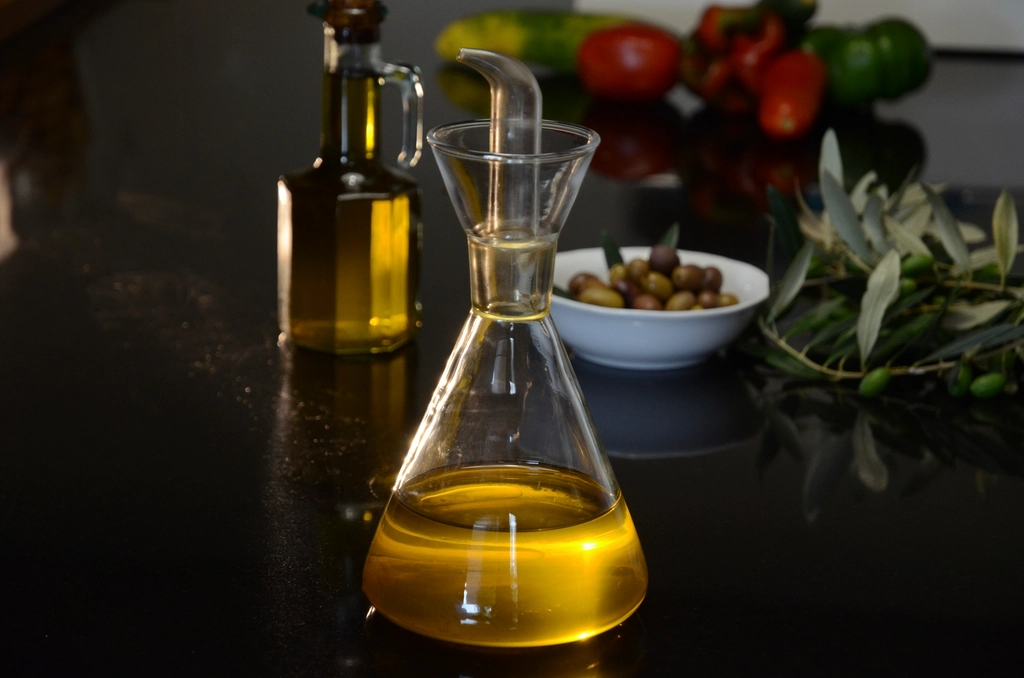

Eating your salad before your pasta is a popular tip for steadier blood sugar. A new study from Japan helps explain why the order might matter, though so far only in mice.
What the Researchers Did
A team led by Daisuke Yabe at Kyoto University gave fasted mice a dose of glucose, the sugar carbohydrates break down into. Some got olive oil 15 minutes before the glucose, some got it 15 minutes after, and a comparison group got water first. The findings appear in the journal Diabetes.
What They Found
- Olive oil given before glucose blunted the early rise in blood sugar compared with olive oil given after.
- Fat first slowed how quickly the stomach emptied, so sugar reached the intestine more gradually.
- It also triggered an early release of gut hormones, including GLP-1, GIP and glucagon.
- The effect also showed up in mice with type 2 diabetes and severe insulin deficiency, and signals through the vagus nerve appeared to play a part.
Follow-up experiments pointed to a backup system. Blocking either glucagon or GLP-1 on its own didn’t erase the benefit, but blocking both did, suggesting the two hormones partly cover for each other.
The researchers say the appeal of meal sequencing is that it changes the order of eating, not what you give up.
Does This Happen in People?
There is some human evidence that order matters. In a small 2015 study at Weill Cornell, 11 adults with type 2 diabetes ate the same meal twice, once with the bread and juice first and once with the chicken and vegetables first. When protein and vegetables came first, blood sugar was about 29% lower after 30 minutes and 37% lower after an hour.
The Catch
- The new work was done entirely in mice. The authors say human trials are needed before recommending the approach to anyone.
- The team’s summary doesn’t report how many mice were used or how much olive oil they received.
- Olive oil is calorie-dense. Adding extra fat to every meal isn’t the takeaway.
For now, the practical version is modest: if you already eat a salad with olive oil dressing, having it at the start of the meal costs nothing. Anyone managing diabetes should talk to their care team before changing their routine.
More on Contoh
- How Much Whole Grain Is Enough? A Big Review Points to a “Sweet Spot”
- A 20-Minute Walk Got the Gut Moving Within Minutes in a Small Study
- The MIND Diet Is Linked to Brains That Age 2.5 Years Slower
Sources
- Kyoto University: Olive oil before carbs blunts the early rise in blood glucose in mice
- ScienceDaily: Eating olive oil before carbs has a surprising effect on blood sugar
- Cornell Chronicle: Food order impacts glucose and insulin levels
This article is for general information, not medical advice.